 Patient & Lifestyle Concierge
I
Countryside & village journeys
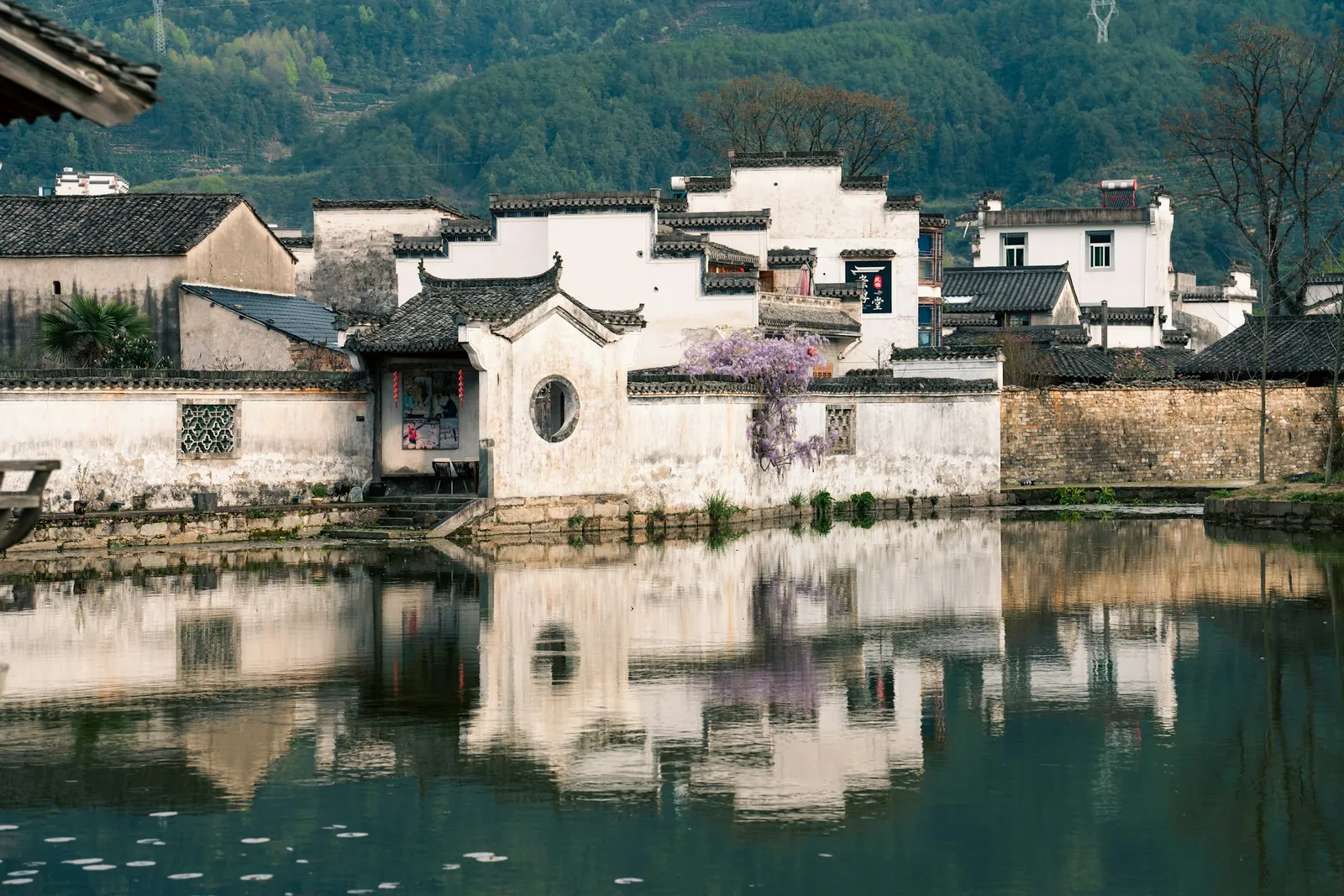
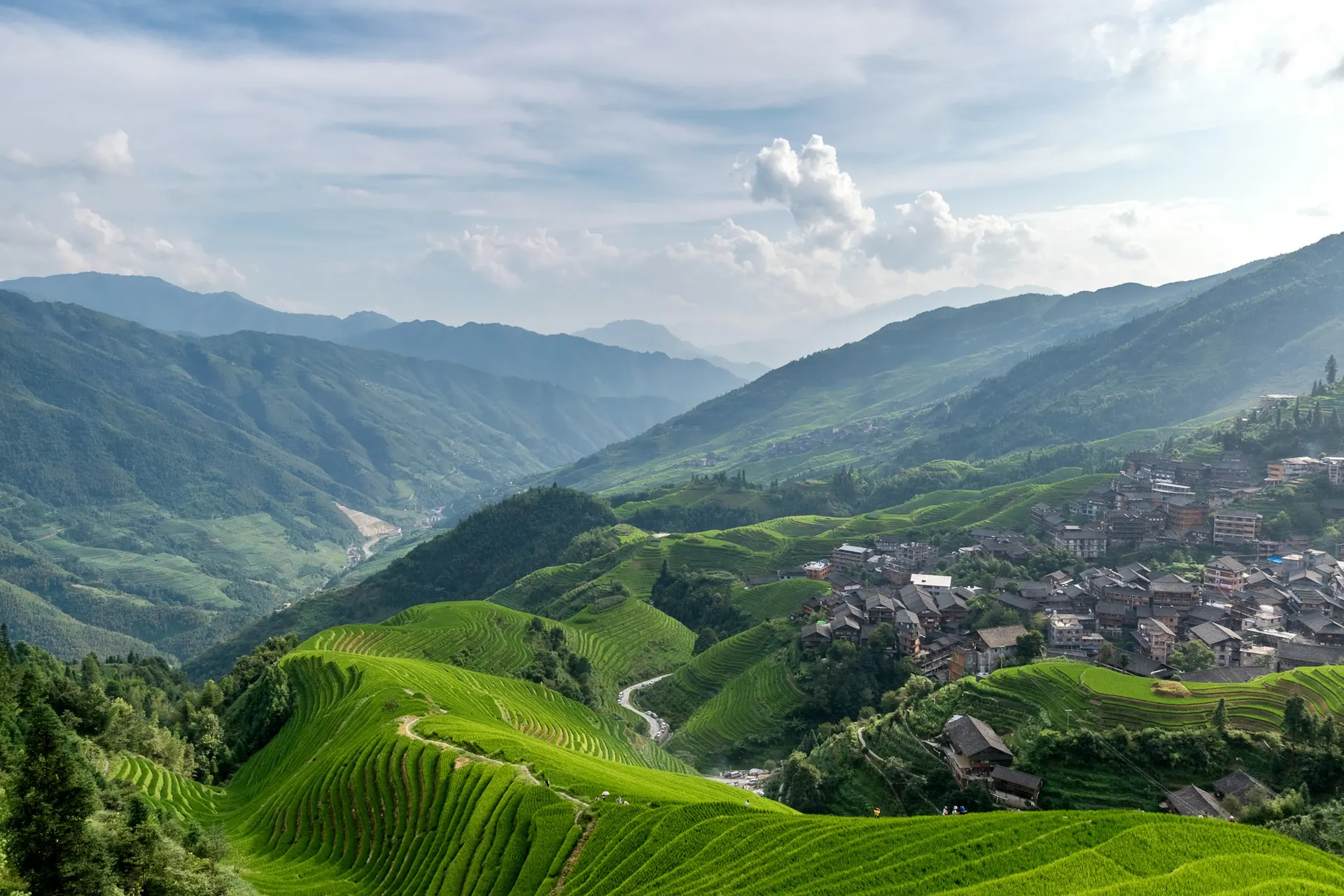
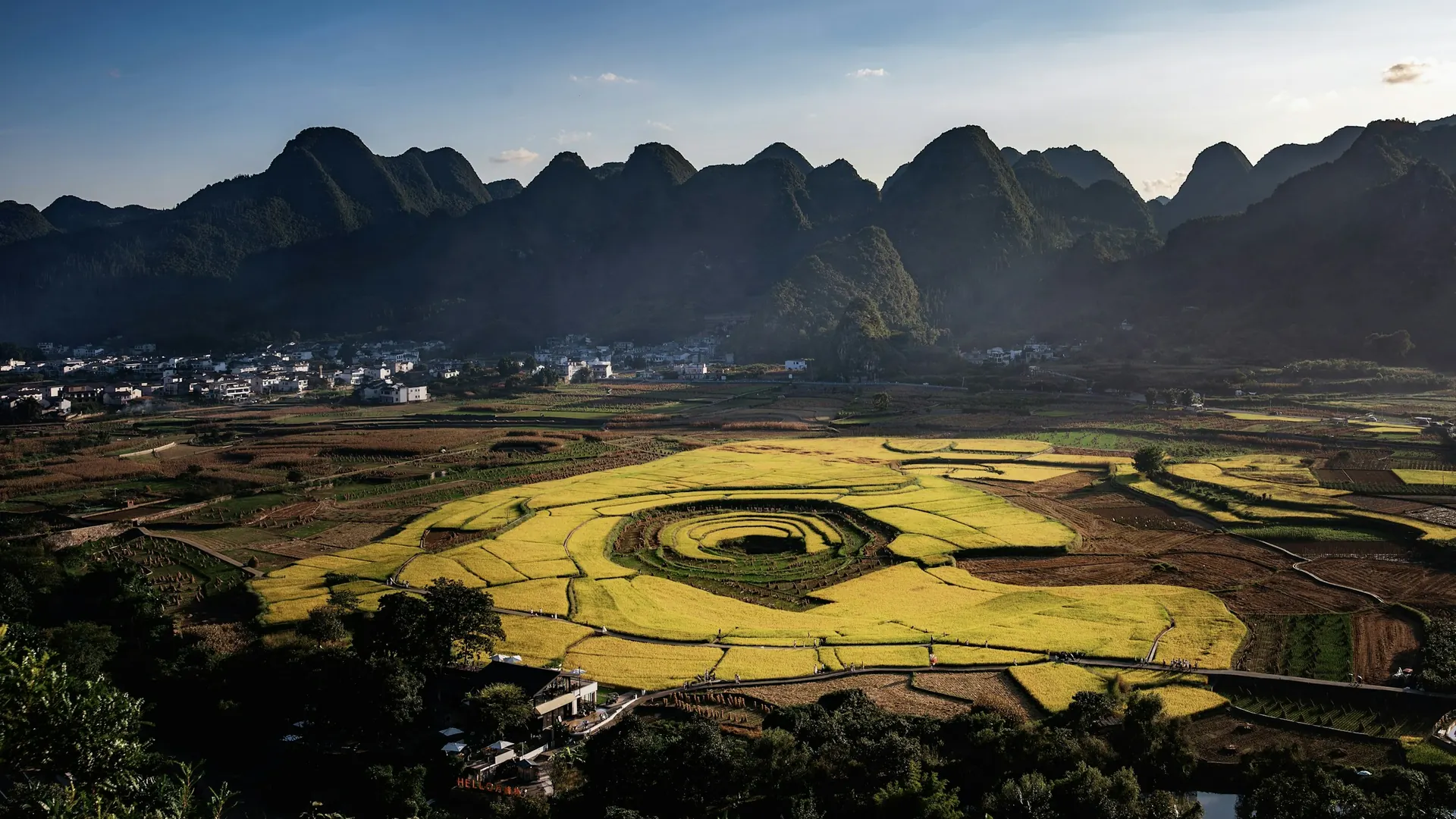
Rice terraces, Ming- and Qing-era villages and karst valleys, reached by small roads and walked at an easy pace. You stay in the countryside itself, not in a hotel an hour away, and meet the families who farm there.
What you might do
- Walk the Longji rice terraces between Zhuang and Yao villages, with lunch in a family house
- Spend a day in Hongcun or Xidi, the Huizhou villages near Huangshan, before the tour groups arrive
- Cycle or take a bamboo raft between villages along the Yulong River in Yangshuo
- Walk the tea terraces above West Lake with a tea family, and taste in their courtyard
- Stay in a farmhouse or courtyard guesthouse we have inspected, and cook a country lunch with your host
Where it fits
II
Tea, tai chi & slow living
Daily habits that have shaped Chinese life for centuries: moving slowly in the morning, drinking tea with attention, eating with the season. Learned from teachers, not from a screen.
What you might do
- Introductory tai chi or Baduanjin sessions with a confirmed teacher
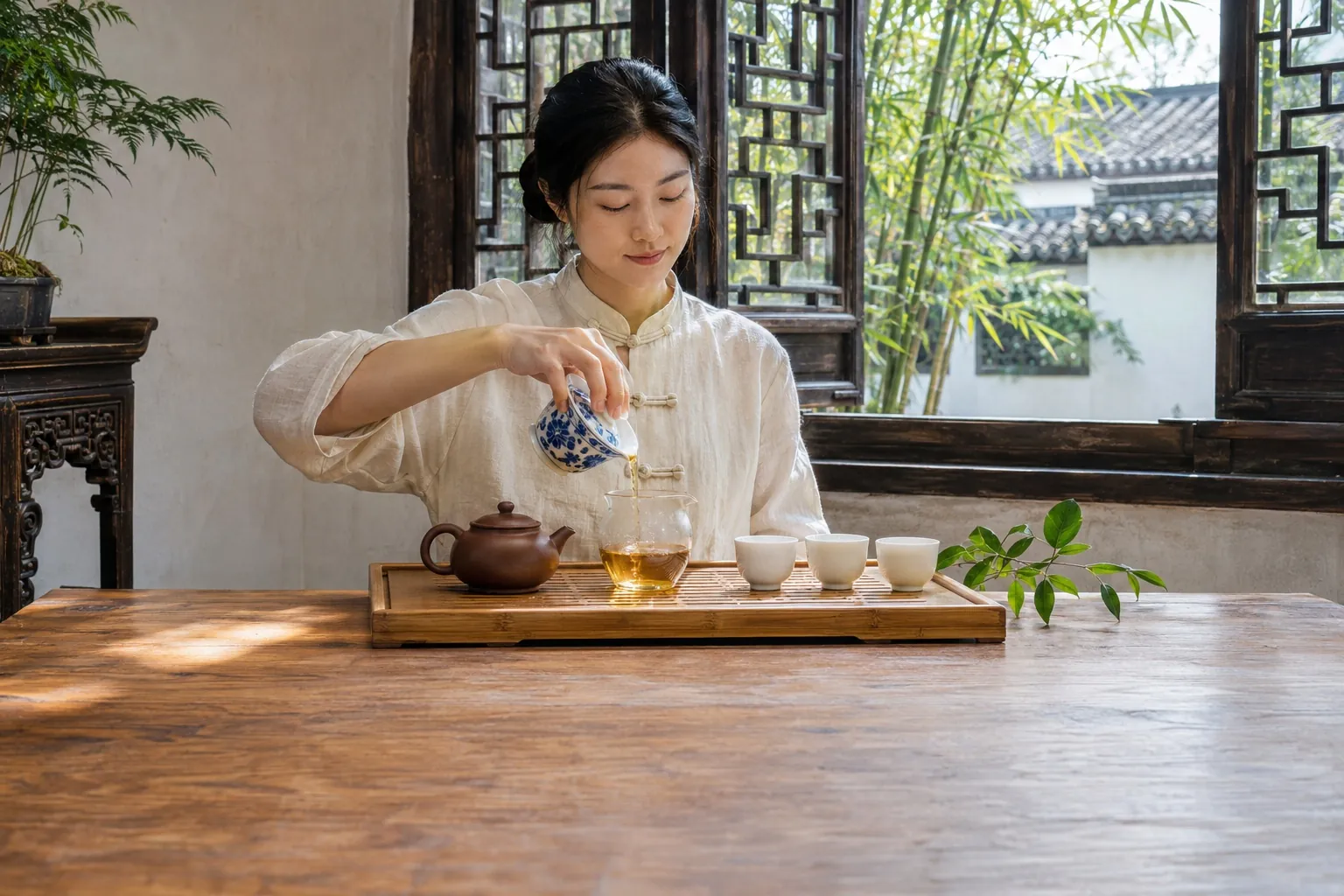
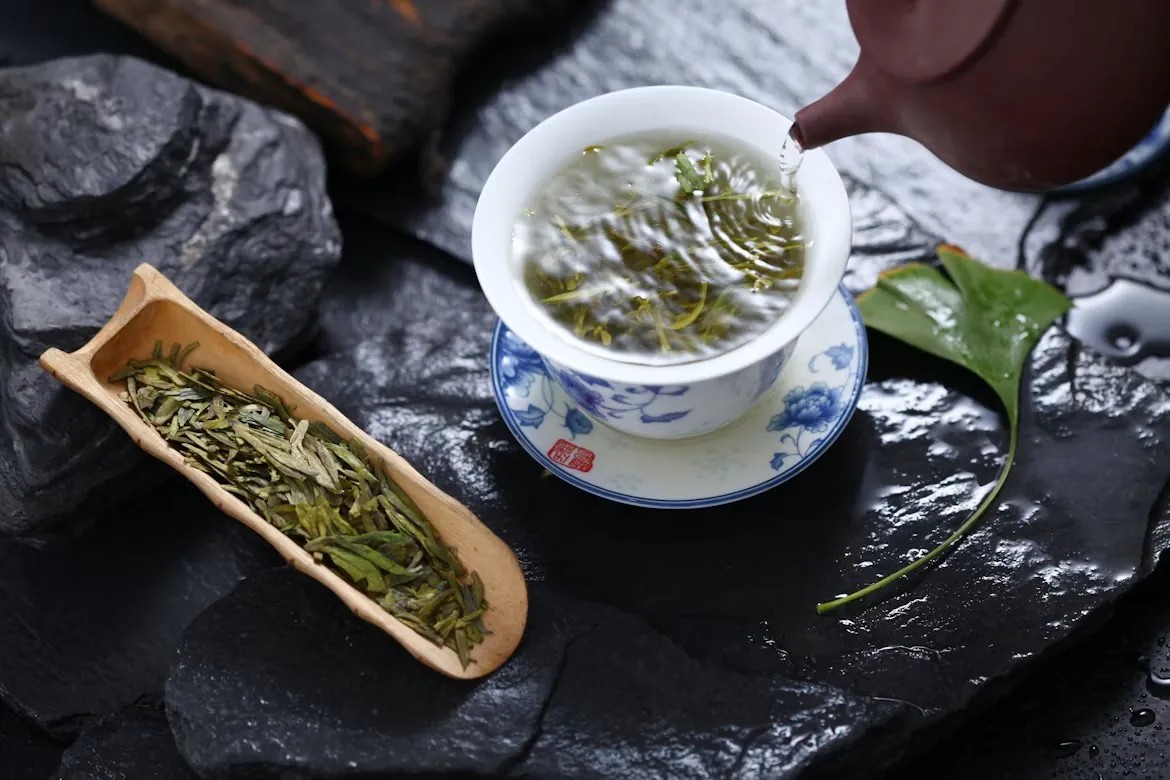
- A tea-culture afternoon in an old teahouse: leaves, water, cups and how to taste
- An old pharmacy, a herb market or the Chinese medicine museum, explained in your language
- Seasonal food, explained by a cook rather than prescribed
Where it fits
III
Temples & mountain culture
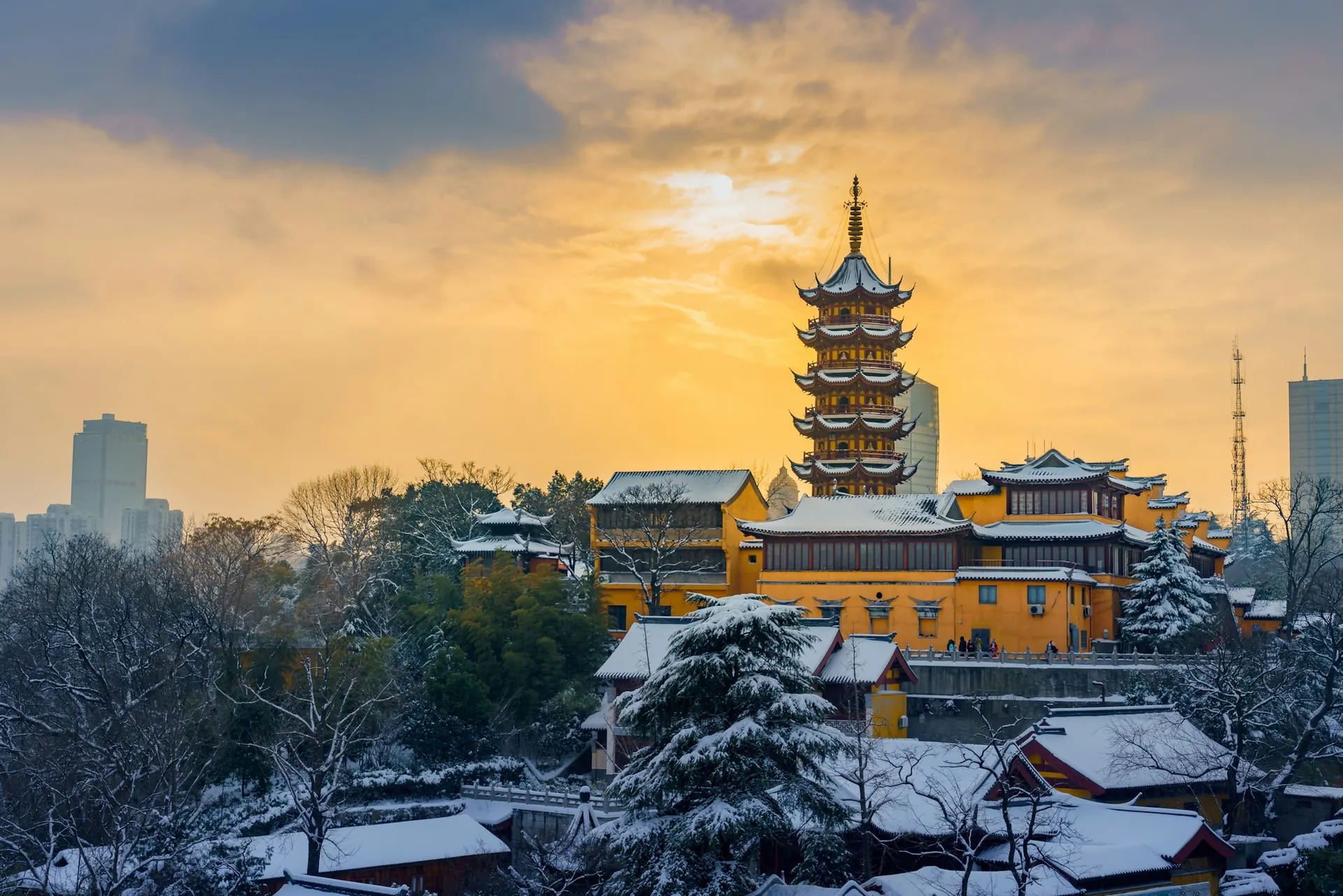
Buddhist and Taoist sites in forests and on mountains, visited for their architecture, art and history. You choose how close to come: a guided visit, a quiet walk, or an activity the temple runs.
What you might do
- A guided visit that explains the halls, statues and inscriptions
- Forest and mountain walks at an easy, agreed distance
- Vegetarian temple food where the temple serves visitors
- Morning activities or short courses, only when the temple confirms them for your dates
Where it fits
IV
Old towns & city life
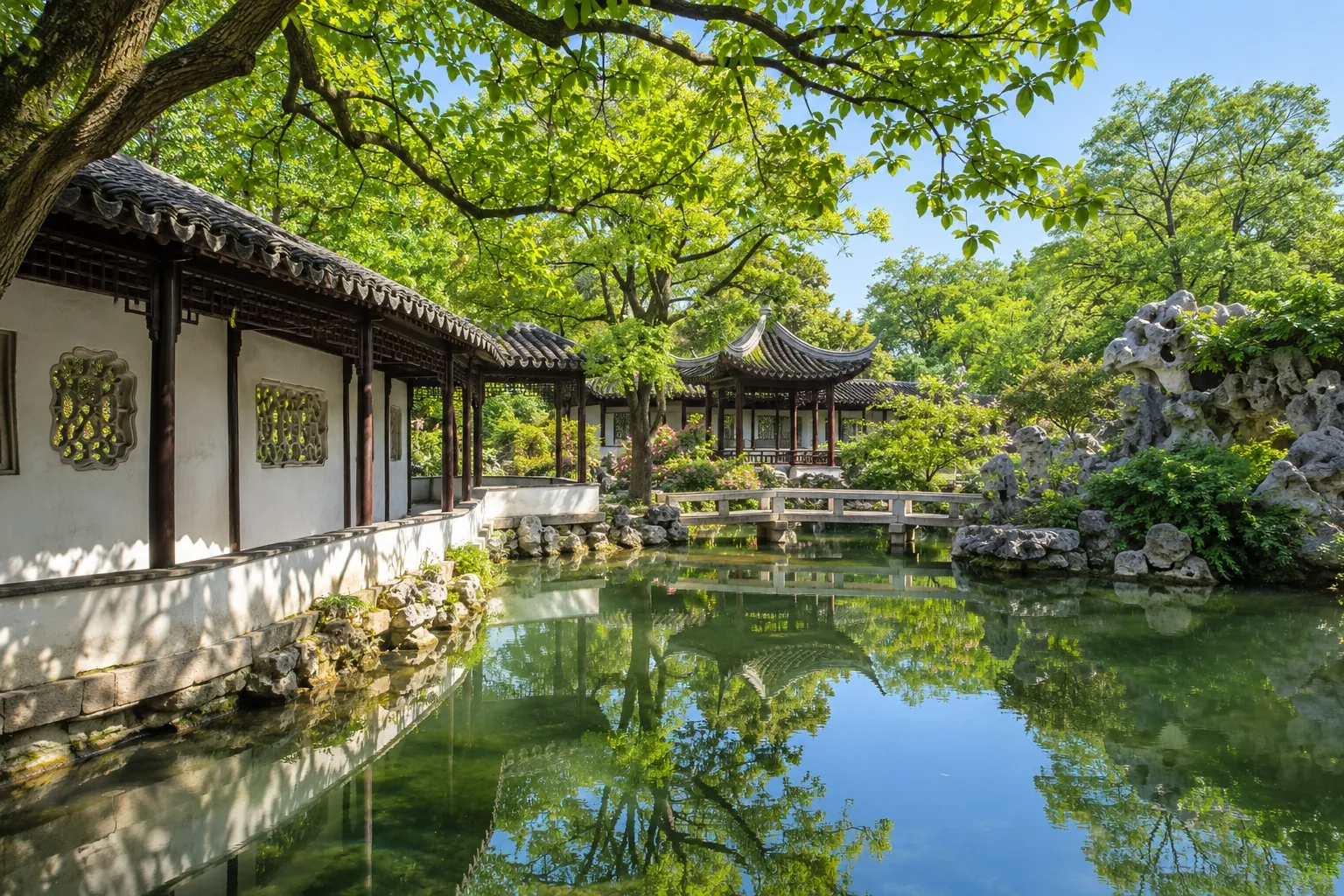
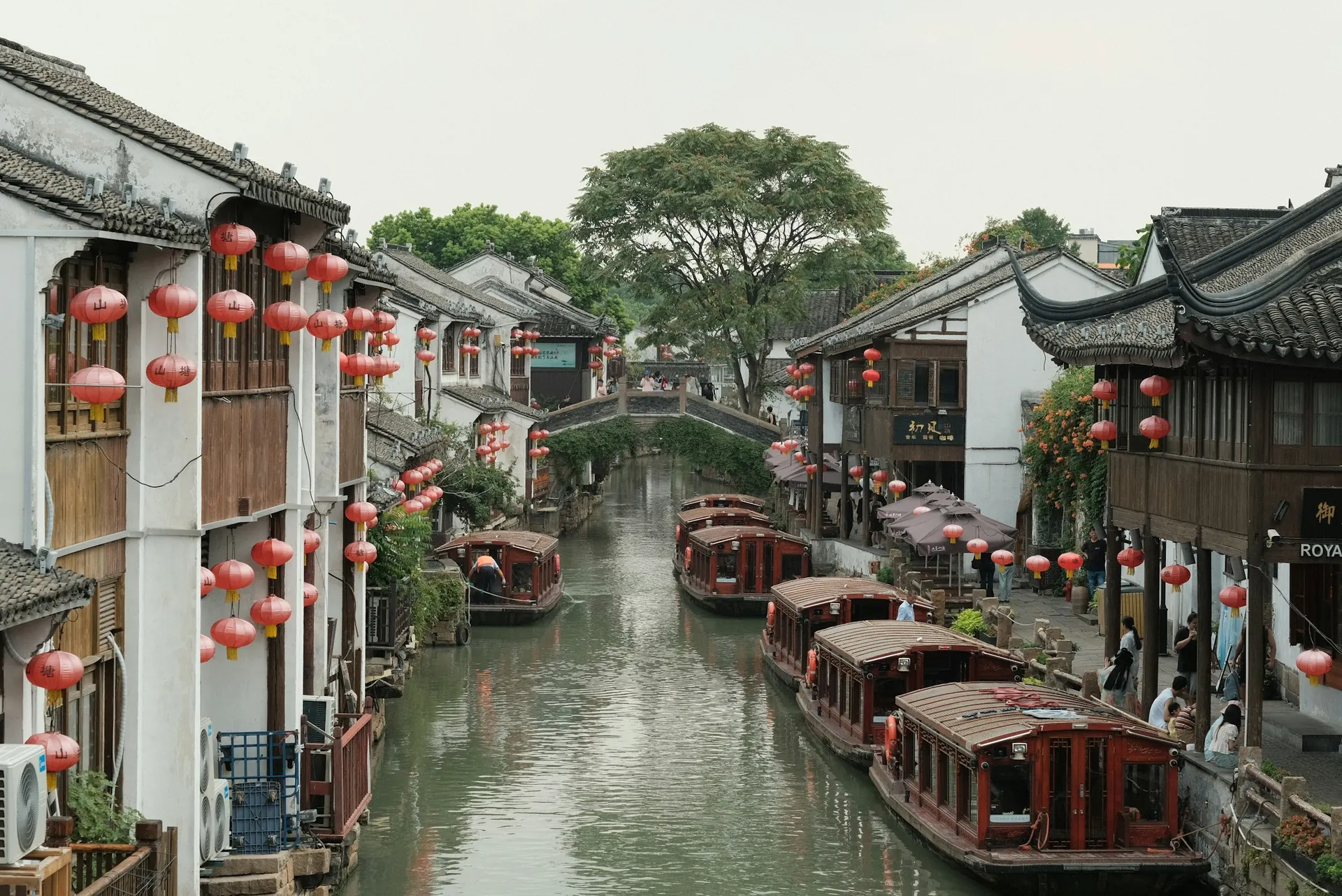
The everyday side of old Chinese cities: a classical garden before the crowds, a canal at dusk, the morning market, and the history that explains why the streets run where they do.
What you might do
- A classical garden with a guide who explains the design
- Old streets, canals and city walls, walked at your pace
- The morning market and a neighbourhood teahouse, where local families go
- An evening on the water or on the old city wall, with nothing else planned
Where it fits
V
Museums, ethnic cultures & living crafts
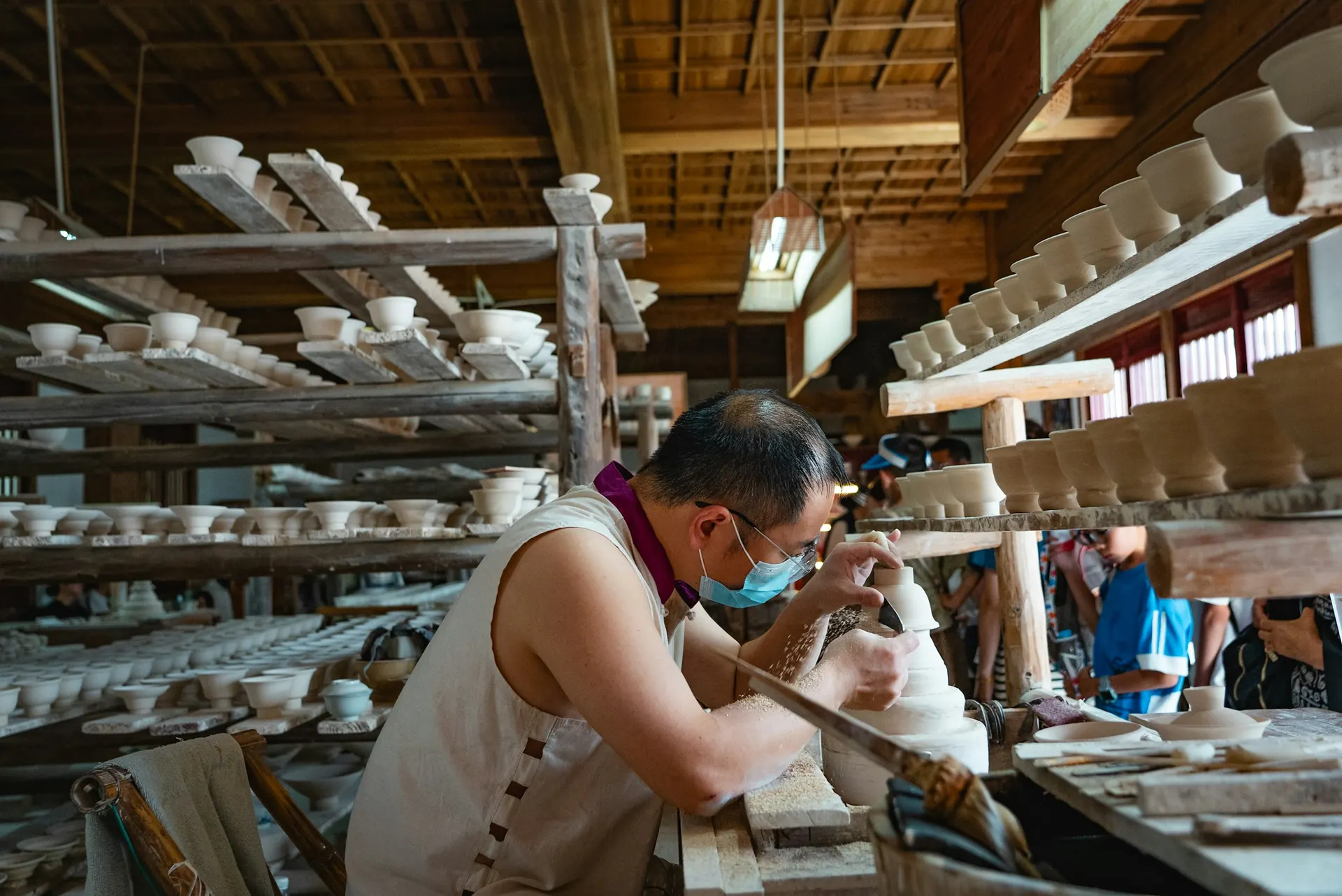
China’s great museums, its ethnic cultures and the crafts recognised as intangible cultural heritage, explained by people who know them. You see the bronzes and the porcelain, then sit with the craftspeople who still make them.
What you might do
- Shanghai Museum, the Palace Museum, Nanjing Museum, the Shaanxi History Museum or Sanxingdui, with a private guide in your language
- Half-day workshops with craftspeople: Suzhou embroidery, Yixing clay teapots, Hangzhou silk, Jingdezhen porcelain, Bai tie-dye in Dali
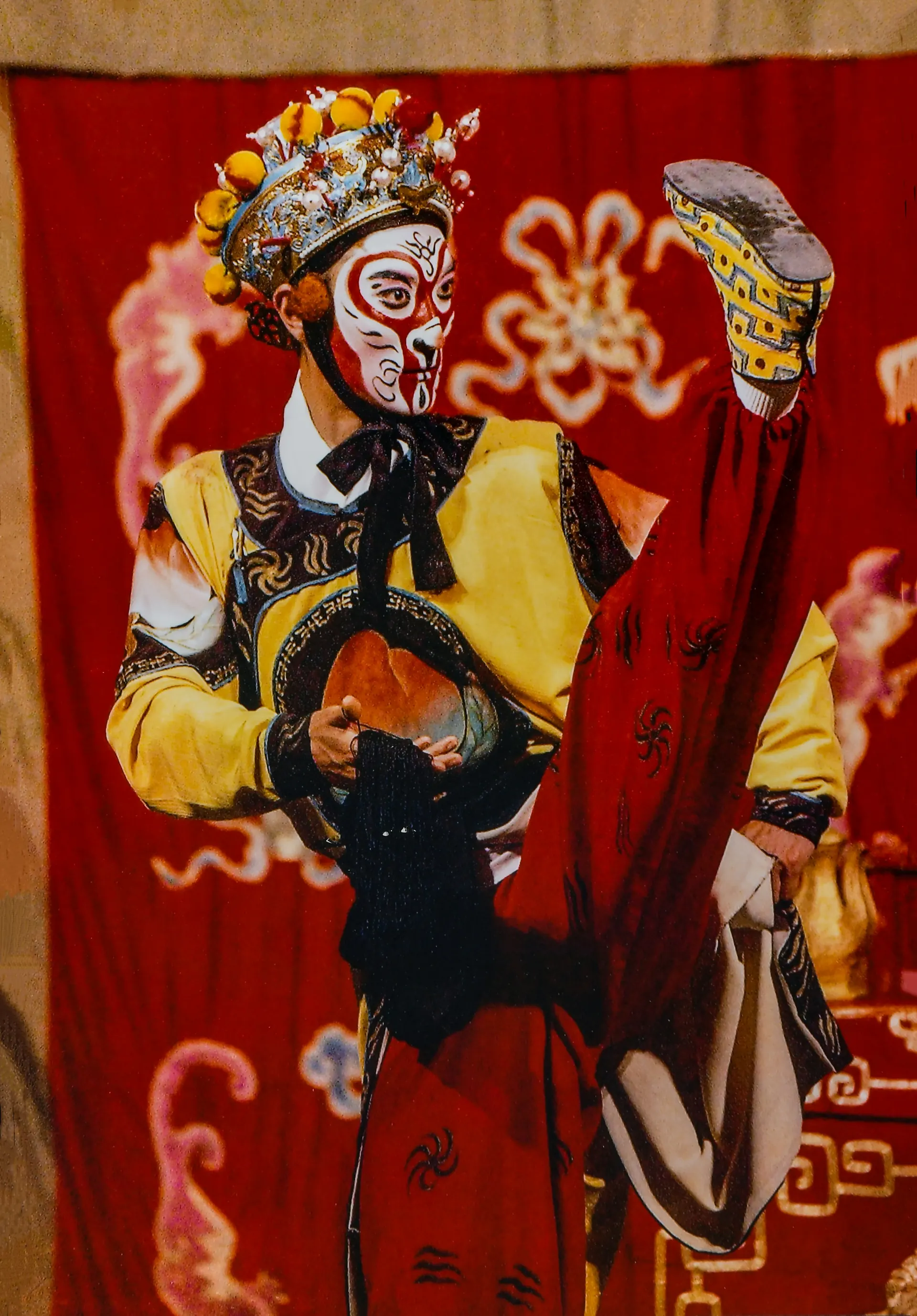
- Kunqu in Suzhou or Sichuan opera in Chengdu, with the story explained before the curtain rises
- Bai, Zhuang, Yao, Tujia, Tibetan and Kazakh communities, visited with a local host who makes the introductions
- Xuan paper and Hui ink near Huangshan, the tools of Chinese calligraphy, made by hand
Where it fits
VI
Food & the Chinese table
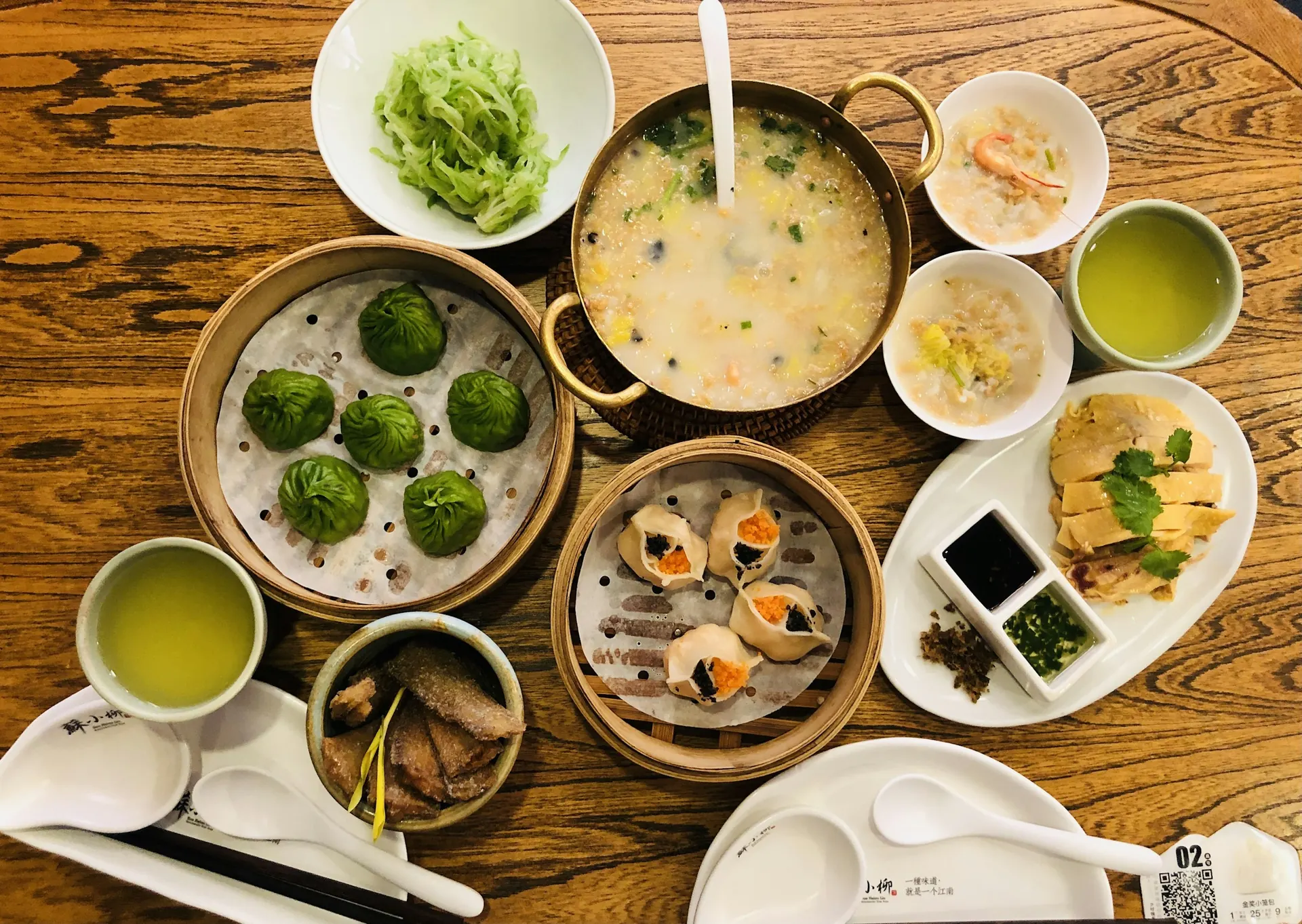
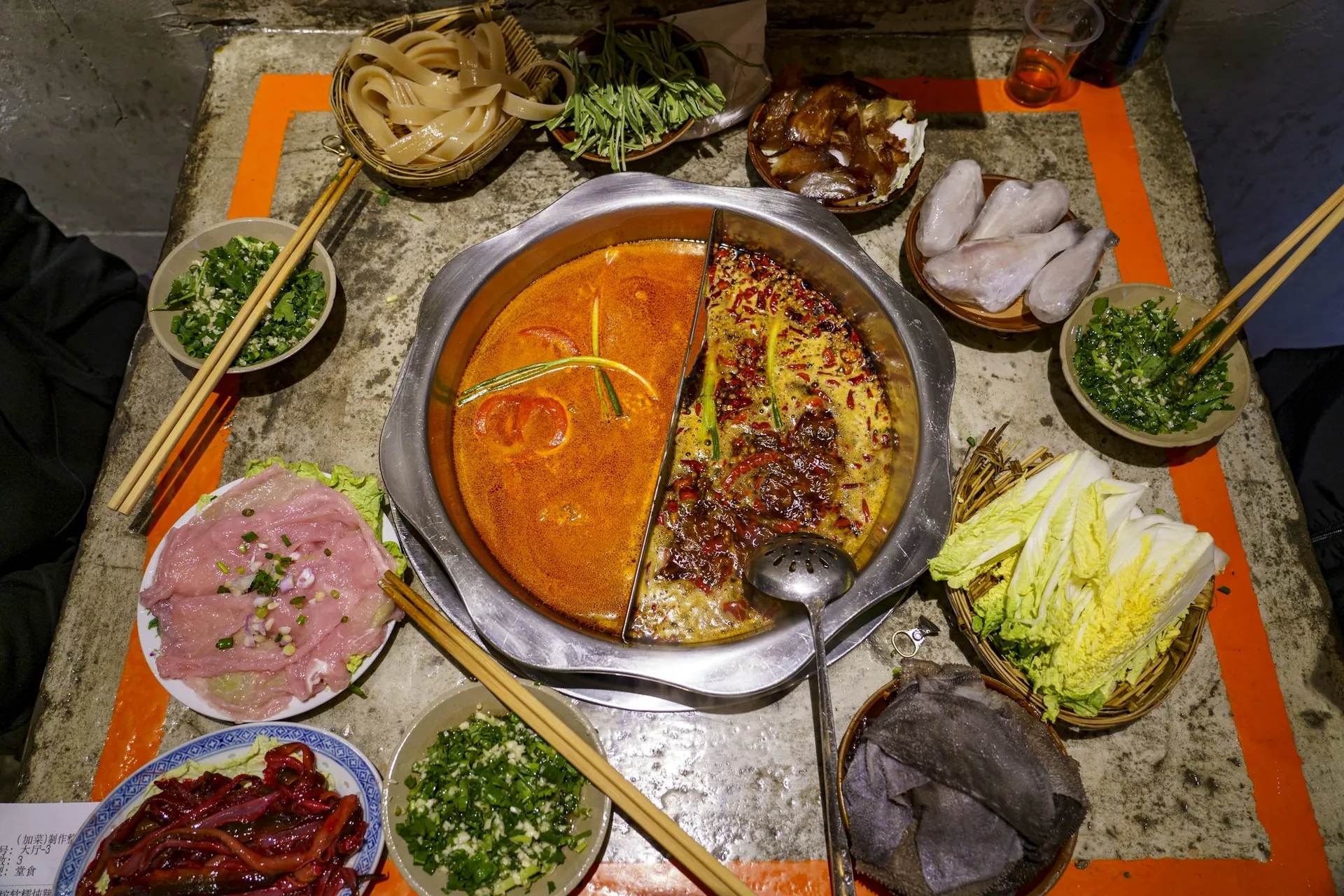
China is eaten region by region: dim sum and morning tea in Guangzhou, Sichuan pepper in Chengdu, Huaiyang dishes in Yangzhou, the Hui Muslim kitchens of Xi’an. We take you to the market first, then to the table, with someone who can explain every dish.
What you might do
- A morning market walk with a cook, then a cooking class in Chengdu, Yangshuo or Hangzhou
- Morning tea with dim sum in Guangzhou, or a Yangzhou breakfast of steamed buns
- Hui Muslim food in Xi’an’s old Muslim quarter, and halal restaurants confirmed in every city
- Roast duck in Beijing, hot pot in Chongqing, West Lake dishes and Longjing tea in Hangzhou
- Vegetarian Buddhist cooking at a temple kitchen that serves visitors
Where it fits
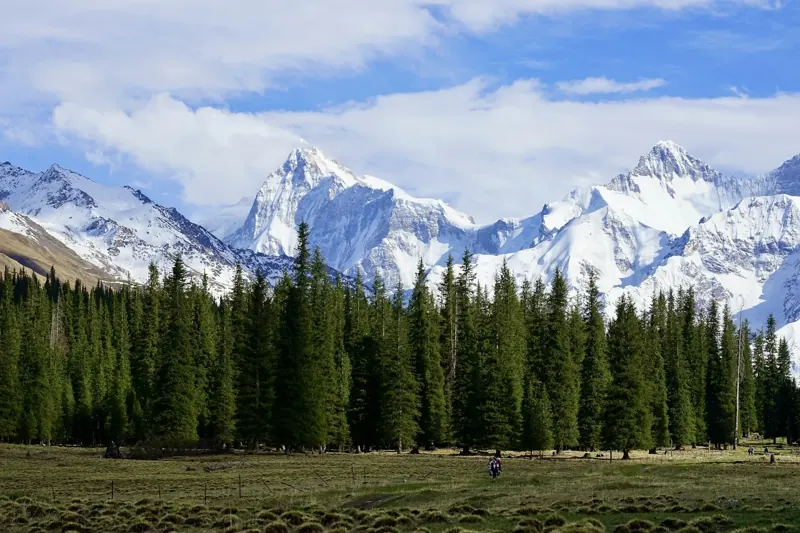 XinjiangIli ValleyGrasslands, lavender and long, cool summer days.
- Landscapes
- Lakes & rivers
- Mountains
 Garze, SichuanLitangThe City in the Sky, at 4,000 metres.
- Mountains
- Ethnic heritage
- Zen & temples
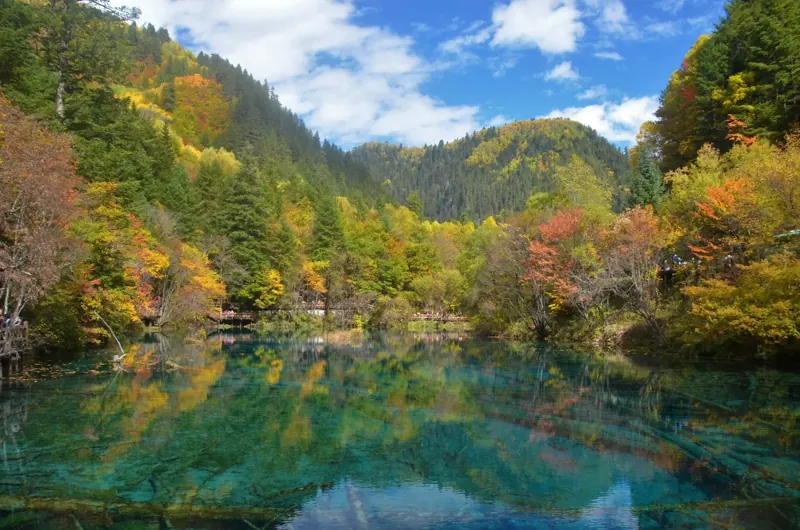 SichuanJiuzhaigouTurquoise lakes in a Tibetan valley.
- Mountains
- Lakes & rivers
- Landscapes
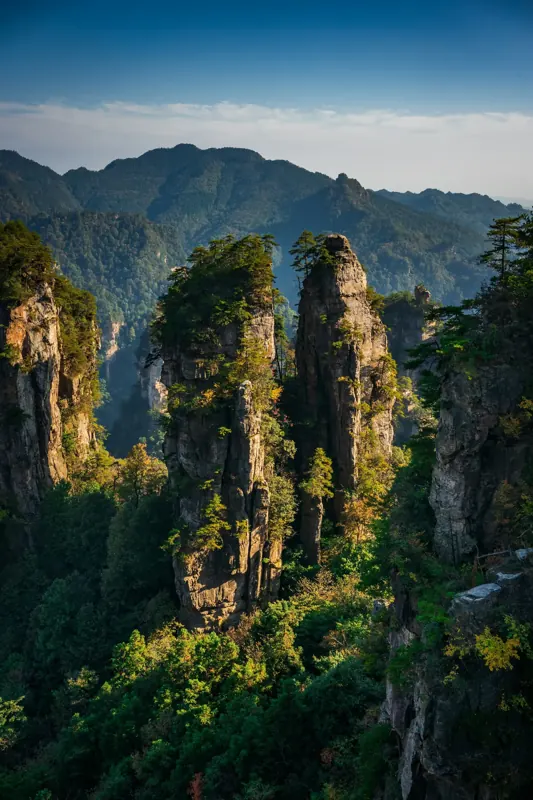 HunanZhangjiajieSandstone pillars rising out of the clouds.
- Mountains
- Landscapes
- Ethnic heritage