 Patient & Lifestyle Concierge
Traditional Chinese medicine (TCM) is part of everyday healthcare in China, practised in dedicated TCM hospitals and in clinics. Many visitors are curious to try it. This guide explains the common treatments and how to approach them safely. It does not say what TCM can treat: that is for a licensed practitioner and your own doctor.
The main treatments
- Acupuncture: fine, single-use needles placed at chosen points, usually for 20 to 30 minutes, often as a series of sessions.
- Cupping: cups create suction on the skin, usually on the back, and can leave round marks for a few days. Many Gulf visitors know it as hijama, though the methods differ.
- Tuina: a therapeutic massage tradition practised in TCM hospitals, firmer and more targeted than a spa massage.
- Herbal medicine: dried herbs, granules or pills prescribed after a consultation.
Choosing where to go
- Treatment should be given by a licensed TCM physician in a licensed hospital or clinic. Ask for the practitioner’s name and the institution.
- Wellness spas offering foot or relaxation massage are not medical providers, and cannot give acupuncture or prescribe herbs.
Questions to ask before you start
- Have I told my own doctor? This matters most after surgery, during cancer treatment or pregnancy, or if I take blood thinners.
- What exactly will be done, how many sessions are planned and what will it cost?
- For herbs: what are all the ingredients and how are they prepared? Some formulas contain animal-derived ingredients, such as donkey-hide gelatin, or are prepared with alcohol.
- Can I take these herbs home? Check your country’s rules on bringing in medicines.
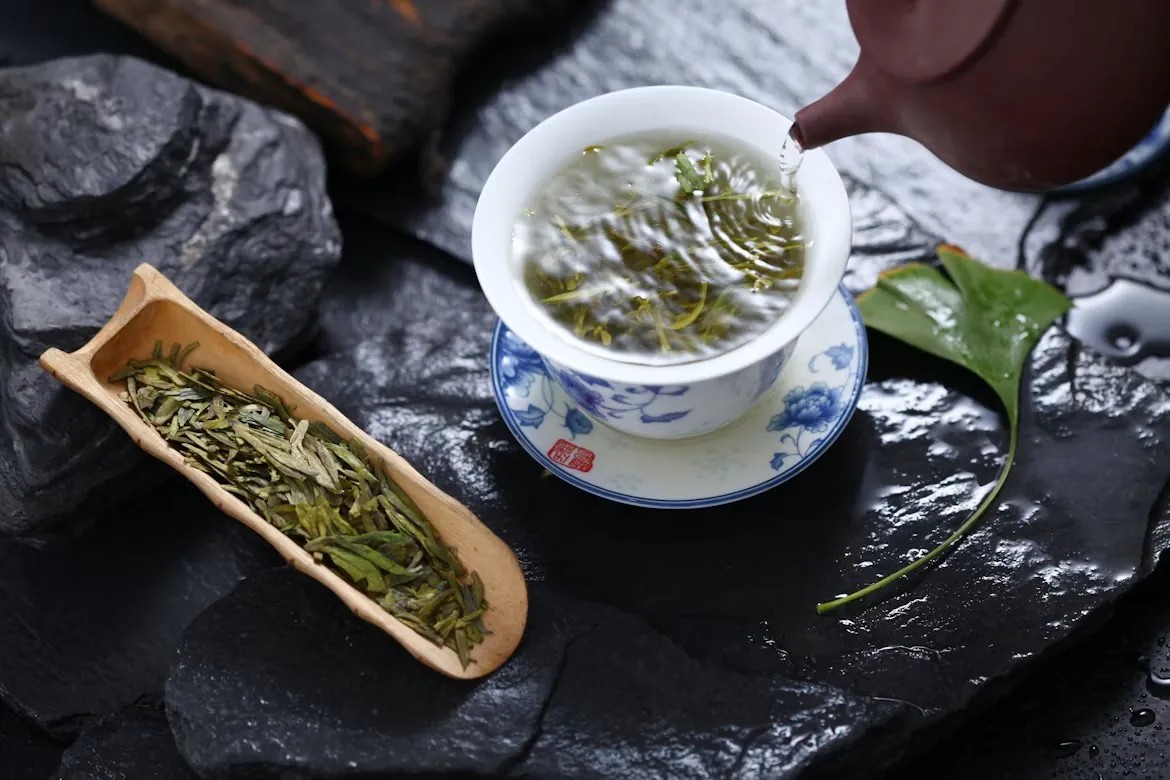
Cultural experiences such as tai chi, tea and seasonal food are a lovely part of a stay. They are not medical treatment.
Journal articles are general information, not medical, legal or immigration advice. Rules change; check them for your situation before you travel.